

A Class Act

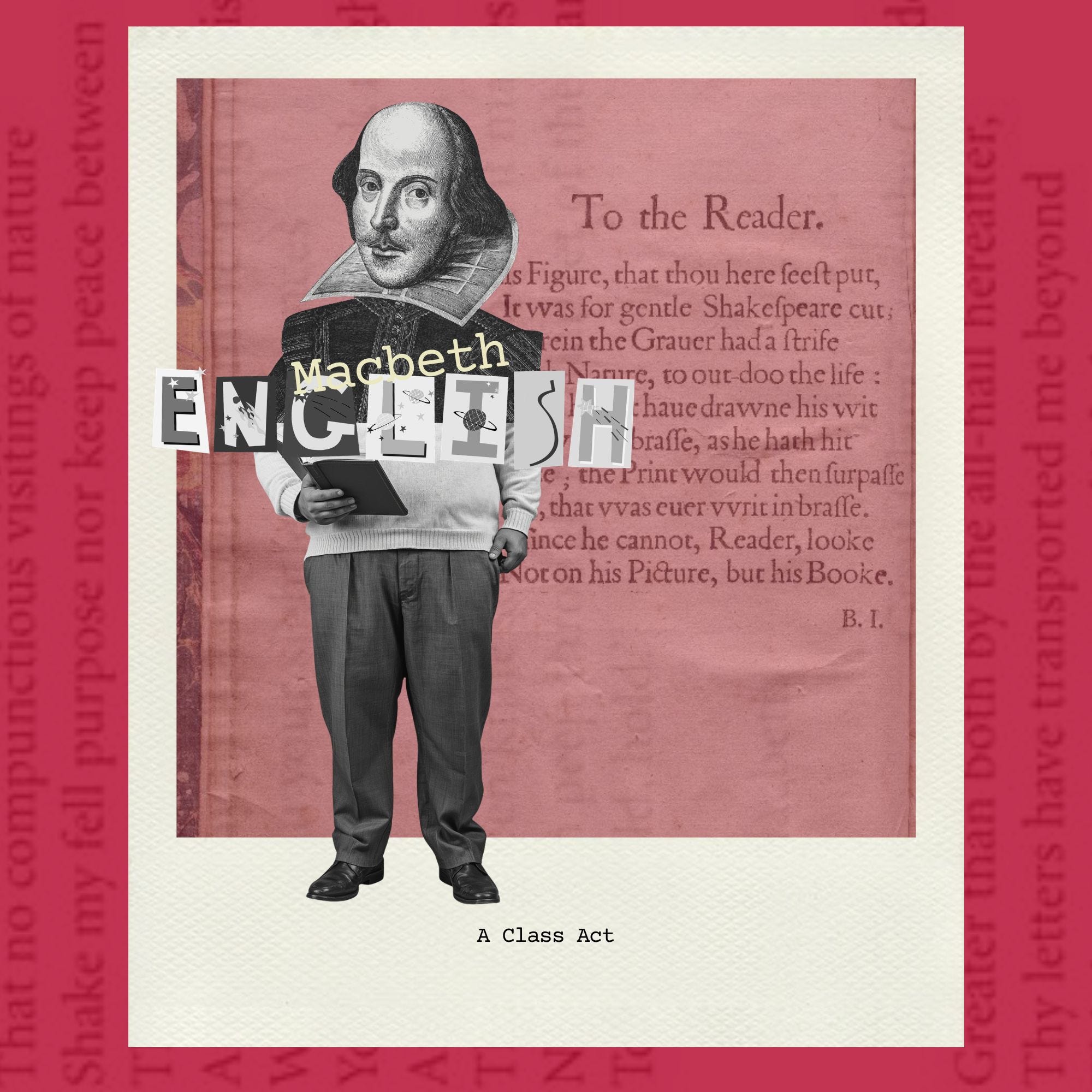
Mr. Paulini’s English Literature class was the reason I stayed in school. Fifty-three years on, I still remember my first impression of him. He was tall and thick-chested with massive shoulders and biceps that bulged through his pullover sleeves. He looked intimidating except for his face. This bear of a man had the cutest chipmunk cheeks that only inflated more when he flashed a large, toothy grin.
He looked like an oversized baby you would not want to provoke. His demeanour proved to be as gentle as his face. I was immediately smitten by this manly person who recited poetry with all the exuberance of a Shakespearean thespian.
The fifty minutes I spent in his class were the highlight of my day, actually of my whole high school experience. Here was a man, so secure with himself, that he showed each of his students the utmost dignity and respect. I had had some good teachers, but none who treated me as an equal partner in learning.
Mr. Paulini invited us into a world of literature that he found exciting and evocative. I never hesitated to raise my hand, to express an opinion or offer to read. In other classes, I was afraid to speak up, fearing ridicule. No one dared snicker, not because they were afraid of him, but because he inspired respect. He appreciated and encouraged inquisitive minds, and even managed to make studying Macbeth an entertaining endeavour.
Mr. Paulini made every poem, play and novel we studied that year relevant to the burgeoning minds of adolescents. Every piece of literature became accessible and taught us about integrity and the value of honesty and compassion. Authors became friends and allies, with something valuable to share, to offer each of us a vital lesson we could apply to our lives both present and future. Literature for me became even more magical and meaningful. That year with Mr. Paulini inspired me to study literature in university, and to write for the sheer joy of it. I knew he would be cheering me on.
Almost thirty years passed before I was devastated to hear that my beloved Mr. Paulini had died of a heart attack. I searched for the little notebook he had signed on the last day I saw him. He had written, “I shall miss you,” a quote by Thomas More to his devout servant Matthew from Robert Bolt’s play A Man for All Seasons, which we had studied in class. Those words meant so much to me. I had read the part of Matthew while Mr. Paulini read Thomas More.
A year later, as I was perusing the newspaper’s obituary section, I was surprised to see a photo of Mr. Paulini, his signature toothy grin lighting up the small black-and-white photo of him. It had been a year since his death, and his wife had placed a tribute to him in the memorial section. They were tender words of love; she referred to him as the ballast on their ship, how it had at times been a stormy sea, but a gallant voyage nonetheless.
Here was a person who had loved Mr. Paulini for forty years or more...it only confirmed his genuine humanity, that he was a gentleman for all seasons. I began to look at the obituary page every year on the anniversary of his death and every year his wife published that beautiful picture of a younger Mr. Paulini, his eyes smiling as brightly as his grin. Every year she published a different tribute. Sometimes it was a quote from a writer, sometimes I assumed it was composed by her. It also became clear that they shared a love for the written word. Theirs was a tragic story of true love. He had a sudden, untimely passing.
In one tribute, she remarked that death had been kind to him but had left behind cruel suffering. I wanted to reach out and tell her that he really was all those things she described. One year, I signed the guest book accompanying the tribute in the memorial section of the newspaper and wrote to tell her about the wonderful year I spent in his English literature class and how inspiring he had been. I hope she saw it. But I will never know.
A few years ago the annual tribute stopped. By pure happenstance, I learned that Mrs. Paulini was gone as well. It left both sadness and joy. The end of those tributes meant she and her dear Rick were together at last, or so I intend to believe. I am left to write one more tribute for both. Maybe it was no accident that I married a giant of a man who recites poetry, too.
 | A guest post by
|
Alice, you had a teacher like Mr Paulini who taught with gobbets. The key phrase for me is teaching a student as an "equal partner in learning and not from an ivory. When a teach injects his humanity along with his passion and knowledge, then the learning is more powerful. This is the quintessenctial model for any learning to have as Maggie states "the outsized impact."
mary anne ferguons
Exciting and evocative are the key. If the writing didn't work for me in a way that I could transmit those things to my students in some way, I didn't teach it. Back as a grad student I taught an intro fiction class with an unusual lineup: Henry James, D. H. Lawrence, Italo Calvino. It was a blast for the students because I was crazy about each book.