

The Good-bye
By: B. E. Rybak
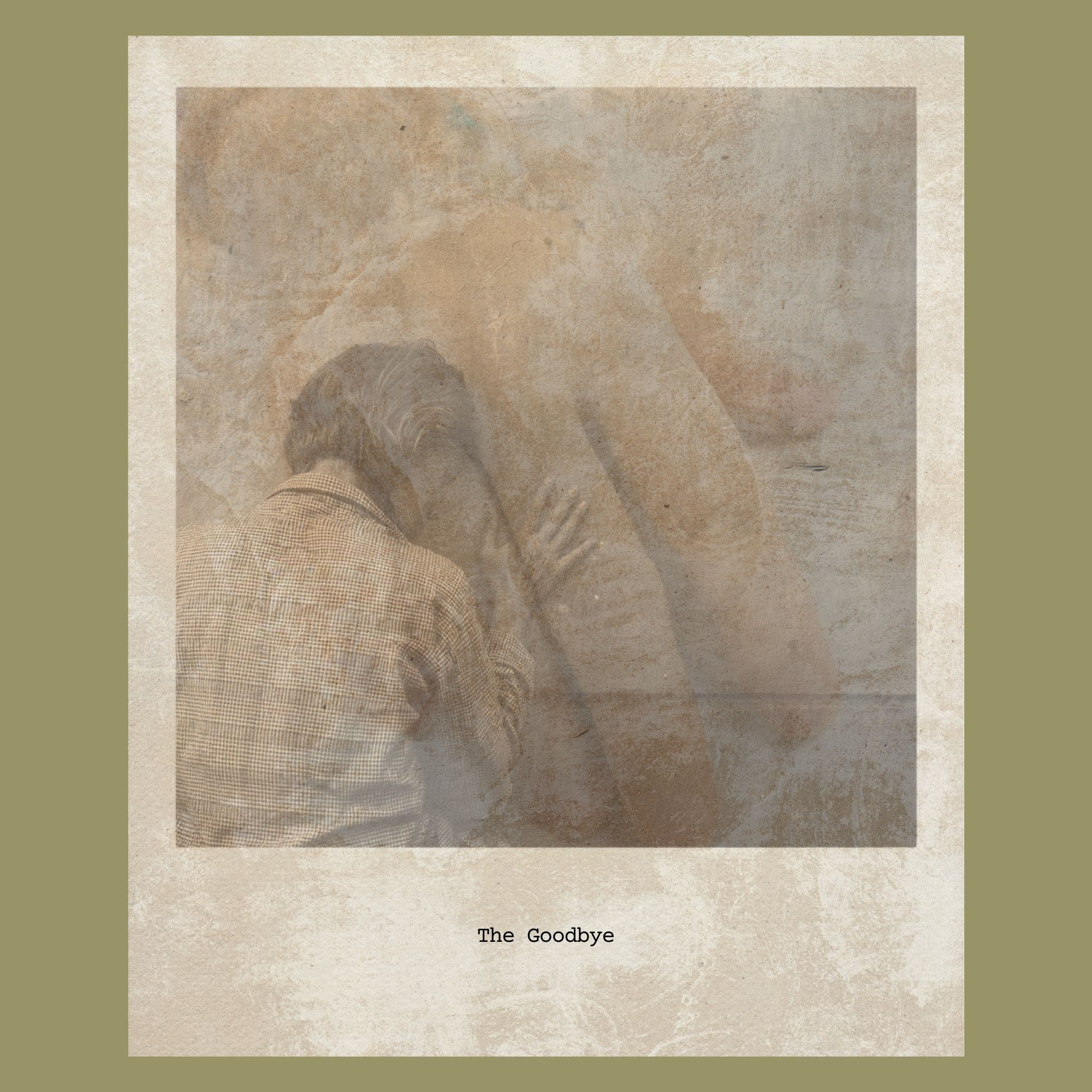
When my mother was dying, we were given our own room on the hospice ward. The window looked out over an unremarkable street, cars passing, occasionally halting for a pedestrian to cross. It was an ordinary view. The sun didn’t strike the glass directly; we had the morning light, but by afternoon, the room was cast in shadow.
On the sill were flowers, a bouquet my daughter had brought. Purple roses, the smaller kind, with white dahlias. A modest bouquet that would suit a country cottage window overlooking gardens and fields.
Next to our room was a small family kitchen. Coffee, peanut butter, white bread sat on the counter. The fridge held a few strawberry yogurts, milk and soy milk for people’s tea or coffee.
The ward itself was hushed, the silence broken only by the faint sounds seeping through the doors from the next ward. My mother couldn’t hear them. By then, her body, so slight, was cradled gently between pillows. Nurses came in quietly every few hours: to turn her, check her vitals. Kindly, unhurried.
She was wearing her white cotton nightdress, the one with the tiny violets printed on it. Soft from many washes. I smoothed it over her knees, careful not to disturb her. It seemed too thin against her fragile skin.
There was a chair in the room that folded out into a narrow bed. I slept there, beside her. Close enough to take her hand when she stirred, to notice the rasp of her breath, a sign her next dose of medication was due. “To keep her comfortable,” they said. “To keep her peaceful.”
But peace had never truly belonged to my mother. Her life had been marked by restlessness, by an endless searching, by a kind of persistent energy that made stillness rare. One did not feel peaceful in her presence. One had to muster strength simply to be near her. She drew from you, just by being close.
Still, there was her hand. Small now, nearly translucent, the bones pronounced, but a hand recognizably hers. The hand that brushed my hair. Held her morning teacup. Gripped the steering wheel. Planted impatiens in the garden.
Sounds she made were not words, but the timbre of her voice was unmistakable. The voice that told me to put the kettle on, to walk the dog, to mind the time.
I knew our time together was short. But in that room, the days stretched into a long, heavy moment. I brought a portable speaker and hooked it on the light behind her bed. I played the music she had loved. Just the beautiful songs, the ones she’d dance to. Perhaps, in her sedated dreams, the music drifted through. Between those songs, I played Max Richter’s Sleep. The gentle cadence of it seemed right for drifting, for fading.
In those final days, I felt so tender towards her. I was allowed, at last, to show her the love that I felt. Because she was going. And surely everyone deserves a loving farewell.
And then the moment came. It was night. I knew, I woke, and I felt it. Something had shifted. Whatever was tugging at her had become too insistent to resist. I don’t know whether she could hear me, but I spoke words to her anyway. That she had been a good mother. That she was appreciated. Words of reassurance. Maybe the words reached her. Or maybe just the feelings behind them did.
I was lying beside her, my hand in her hand. Her breath slowed. Paused. Began again. Stilled. She reached toward me, tentative, as if uncertain whether to remain.
And then, she was gone.
B. E. Rybak publishes A Letter from a Maritimer, one of the most thoughtful newsletters on Substack offering clear, independent writing on Canadian politics, technology, and public life. Grounded in the East Coast and focused on what actually matters.
Beautiful. I'm a Registered Nurse. You brought me right into the room with you. You reminded me of my reluctance to see my mother when she was dying. But I did. And I don't regret it. On that day she took her last breath. I can still hear our exchanges of "I love you," trailing off, and then she was gone. She wasn't the ideal mother, but now I understand that she did the best she could, with what she had. Don't we all want to be understood that way? That we did the best we could with what we had?
Beautiful passages, in all senses of the word.