

To Be Remembered

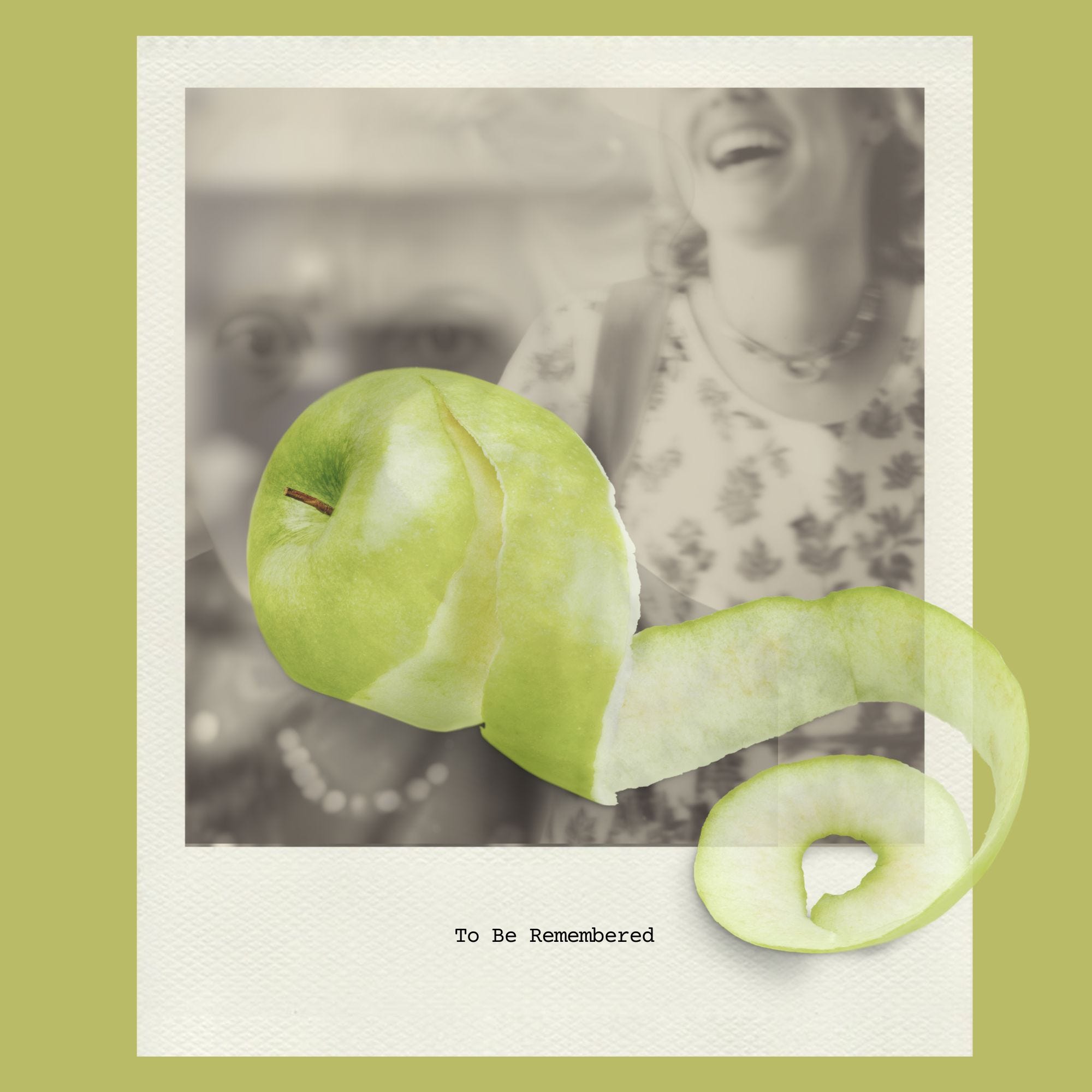
The last time I saw Aunt Edna, she was sitting in a hospital bed with an iron frame, the kind you see in infirmary scenes in old movies. I was 12, and my parents thought my visiting Edna would cheer her up. I wasn’t told what was wrong with her, but she was in her seventies, and it didn’t seem abnormal for an old person to be sick.
I led the way to her room. But as soon as she saw me, she burst into tears. “ Oh,” she said, “You look so lovely.” My parents whisked me out to the hall, where I stood by myself, horrified that I hadn’t helped, but instead made her cry. Somehow, I knew her weeping held a hopelessness, a separation from the good things of this world.
A separation she would soon make complete.
Edna and her husband Bob had no children, so, as her great-niece, I was left her engagement ring, her bone china, and a hope chest that stands in the bay window of my bedroom. What I was not given was any real knowledge of her, who she was, what she was like. There were no stories told about Edna, as there usually are in a family. Which is surprising, as my father’s parents had died young, and Edna and Bob had raised him from the time he was a small boy. This made them like grandparents, and they would come to our house for Sunday and holiday dinners, and we would go to their tiny place with a big property and a cherry tree I loved to climb.
There were trips to Niagara Falls and our cottage. I study the photos of these occasions to see if there are stories there. In the earliest picture, I am a two-year-old at Edna’s feet and she has her head thrown back in abandoned laughter. I also have a memory from when I was very young of being with Edna in her kitchen, watching, mesmerized, as she peeled an apple. She went from top to bottom around the fruit with a knife, in one fluid motion creating a single intact curlicue of peel. Finishing, she had a “ta-da!” look on her face; she was delighted at my delight at what she’d done.
I am grateful for that memory and laughing image because in later photos, Edna is looking straight at the camera, lips thinly drawn. Is she trying to smile, or is that drawing back all she can manage? What caused the laugh, and when her abandon turned to strain, are just some of the many unknowns.
What I did eventually learn was how she died, not long after that visit to the hospital. Because I was young, it was some years later that I was told Edna had been hospitalized for depression, had electric shock treatment, been released, went home, took enough pills to kill herself. When she was released, she told her husband, “I know what I’m going to do when I get home.” He and my parents hadn’t understood what she meant.
Now, at almost the same age as Edna was at her death, 74, I feel a loss I didn’t feel at that time. Then, I felt almost nothing. Today, there is sadness and regret for not having any real sense of her. My father told many stories about Uncle Bob from his childhood. He read every book in the library. Gave up his job during the Depression for someone who needed it more. All I remember him saying about Edna was his conjecture that she had not had children because of fear. Her sister, my father’s mother, died after a stillbirth. And that he hated her porridge.
That’s it. Maybe Dad disliked her, but didn’t want to say? Maybe her depression made her hard to know, difficult? I’m surprised that I, normally curious, asked no questions about her. Again, I can’t say for sure why – certainly, it was the way of my parents’ generation not to talk about matters considered shameful or unpleasant. Or perhaps I had absorbed a feeling that Edna was simply not important.
So, I don’t know why she ended up on the scrapheap of people without stories. But now I, and I assume others my age, ask: what do we want? After we are gone? What would Edna have wanted? Surely, to be able to be remembered. Somehow. In some caring way. For more than the way she died.
In my den, I have photos of people who came to me through family channels, including from Bob and Edna’s house. I don’t know who they are. But they must have been people close to those who were close to me. To them and to Edna, I am saying, I do not know about your lives. But I honour them. You mattered.
And to everyone else, I say this: ask for the stories and tell them.
 | A guest post by
|
As we write our last chapters, it is interesting how dim figures from our past play a role in framing who we are today. Edna may not have left a legacy of family stories but, perhaps she was a catalyst for something deeper. This piece is long on compassion and, a desire to understand who people really are. Edna's legacy was to instill in you the desire to know a person in their entirety, not just their singular moments captured in a photo. Lovely piece.
Lovely read! I think there is an Aunt Edna in all our lives. Your story gives me pause to remember those from my family, especially my Aunt Lou who lived a life of anonymity and isolation. I haven't thought of her for decades...until this morning. Thank you, Joy.